Every model launch arrives with the same ritual: the chart, the benchmark, the argument about which one is smarter. That argument is mostly unanswerable, because many of the numbers people fight over are not about the model at all.
Three teams, one pattern
In February, OpenAI described an account of an internal beta built over five months with zero lines of manually written code: a million lines, roughly 1,500 pull requests, three engineers at the start. The job became “design environments, specify intent, and build feedback loops,” a polite way of saying nobody was writing the product.
LangChain took its own coding agent from the top 30 to the top 5 on Terminal Bench 2.0. The model stayed the same. Only the harness changed.
Anthropic ran the same model two ways: one agent with the same prompt, and a harness with a planner, a generator and an evaluator. The solo app’s central feature did not work. The harnessed run went for hours while an evaluator clicked through the build in Playwright and filed bugs.
None of those teams bought a better horse. All three rebuilt the cart.
What the harness actually is
A model takes text in and gives text out. It does not open files, run commands, remember the last session, or know that a test failed.
Everything else is the harness: the loop that calls the model again with what happened last time, the tool list and its parameters, the context re-sent each turn because the model holds nothing between calls. It is also the sandbox where commands run, the permissions that stop them, and the traces that tell you what broke.
LangChain’s formula is as blunt as it gets: agent = model + harness, and “if you’re not the model, you’re the harness.”
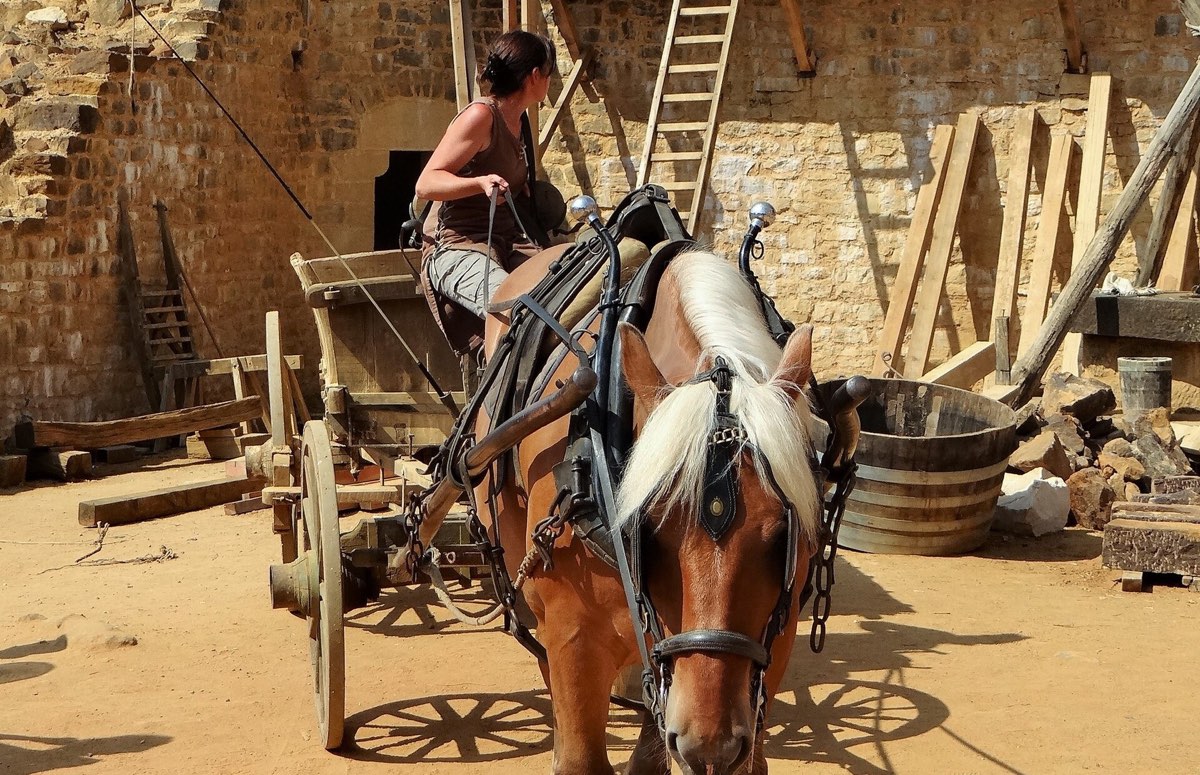
A draft horse at Guédelon in working harness, hitched to a cart. Photo: Ibex73, Wikimedia Commons, CC BY-SA 4.0, cropped.

A harness is the set of straps that turns an animal’s strength into a cart that goes where you point it. Software borrowed the word for test harnesses, which feed a component its inputs and check what came back. What changed is that we now point the same idea at something that decides for itself what to do next.
The uncomfortable part about benchmarks
If the harness supplies the loop, the tools and the context, then a benchmark score is partly a harness score. LangChain says it plainly: Opus 4.6 inside Claude Code scores far below Opus 4.6 in other harnesses. The model that looks worst there is running in the harness it was trained in.
The leaderboard, then, ranks model-and-harness pairs, and the harness half is usually undocumented. My guess is that a good share of what gets announced as a coding improvement is the vendor’s harness catching up to the eval, not the weights.
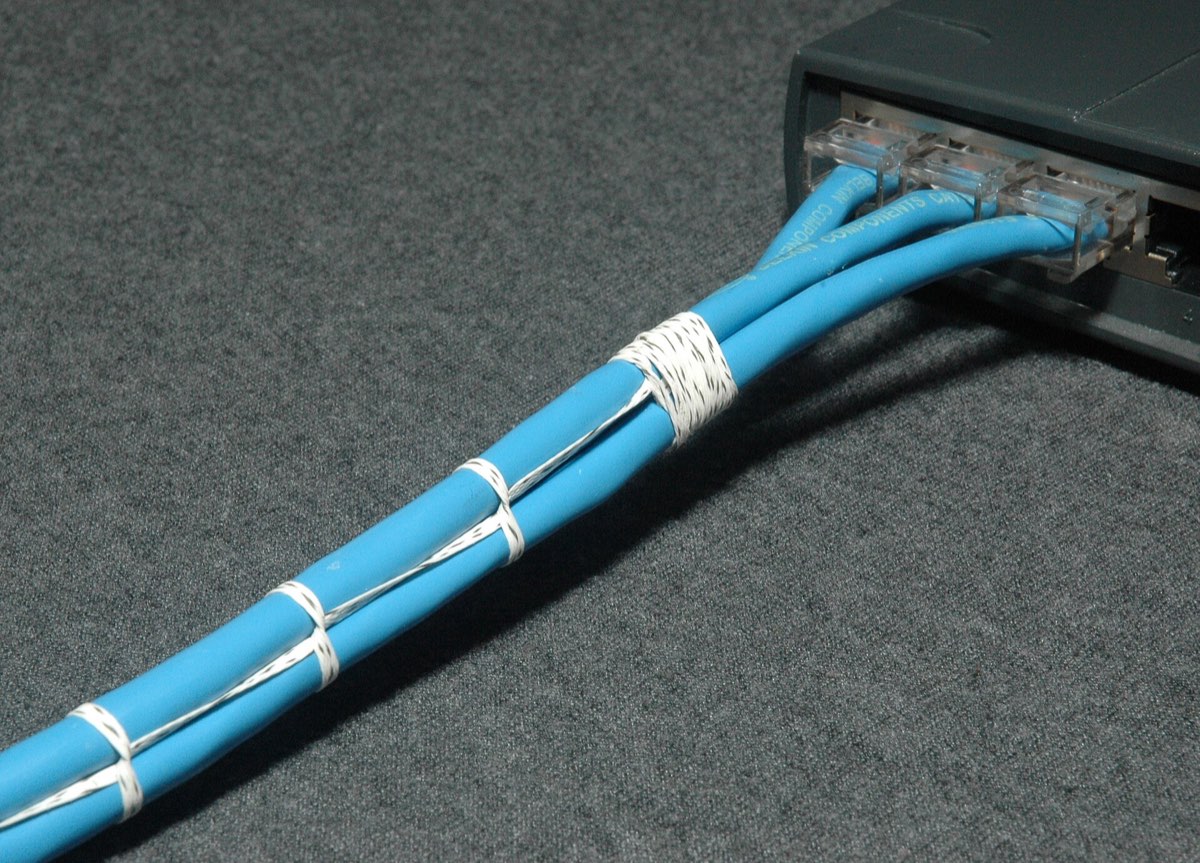
Three category 5e cables laced with Nomex tape. Photo: David J. Fred, Wikimedia Commons, CC BY-SA 2.5.

A cable harness is a bundle of wires laced into one loom. No individual wire is clever. The lacing is what turns the bundle into something you can install, route and trust. That is the job, and it is unglamorous.
What it looks like on my desk
My own agent runs on a 2012 MacBook Pro and talks to a model I rent by the token. The model is the part I control least. What made it useful was everything around it: a permission prompt before it deletes anything, a log of every command, verification that looks at the world instead of the model’s opinion of it.
The clearest example is boring. I asked it to send a test email, and it did not stop at “command issued.” It watched the outbox drop from one to zero and reported that, because an empty outbox is evidence and a successful tool call is not.
The half that gets skipped
Harness engineering is not a one-time build. Anthropic removes pieces one at a time to see what still matters, and finds the evaluator becomes unnecessary overhead once the model handles the task alone. LangChain says the same from the other side: as models improve, parts of the harness get absorbed into them.
So the harness is perishable. A guardrail that was load-bearing last quarter can be dead weight now, and the only way to find out is measure, remove, measure again. That is why it is engineering and not configuration.
What I take from it
The model is the horse. I do not own the horse, I rent it, and the rental gets cheaper and stronger every few months. What I own is the harness, and the bill for using it badly.
Next time a launch chart shows a jump, the question is not which model won. It is which harness produced that number, and whether mine would produce the same one.